
How to Choose the Right Design-Build Firm in Logan Square
Logan Square is full of vintage greystones, classic two-flats, and condo conversions tucked behind the boulevards and Milwaukee Avenue corridor. That mix of older bones and modern goals makes renovation work here a bit different than a newer suburb. A quick search for design-build firms near me turns up dozens of options, but not all of them are set up to handle the quirks of a hundred-year-old building. Some firms are better suited to new construction on a clean lot, while others have spent years working around century-old joists and brick that was never meant to carry today's mechanical systems. This guide walks through what to actually look for before you hire one.
What Does Design-Build Actually Mean?
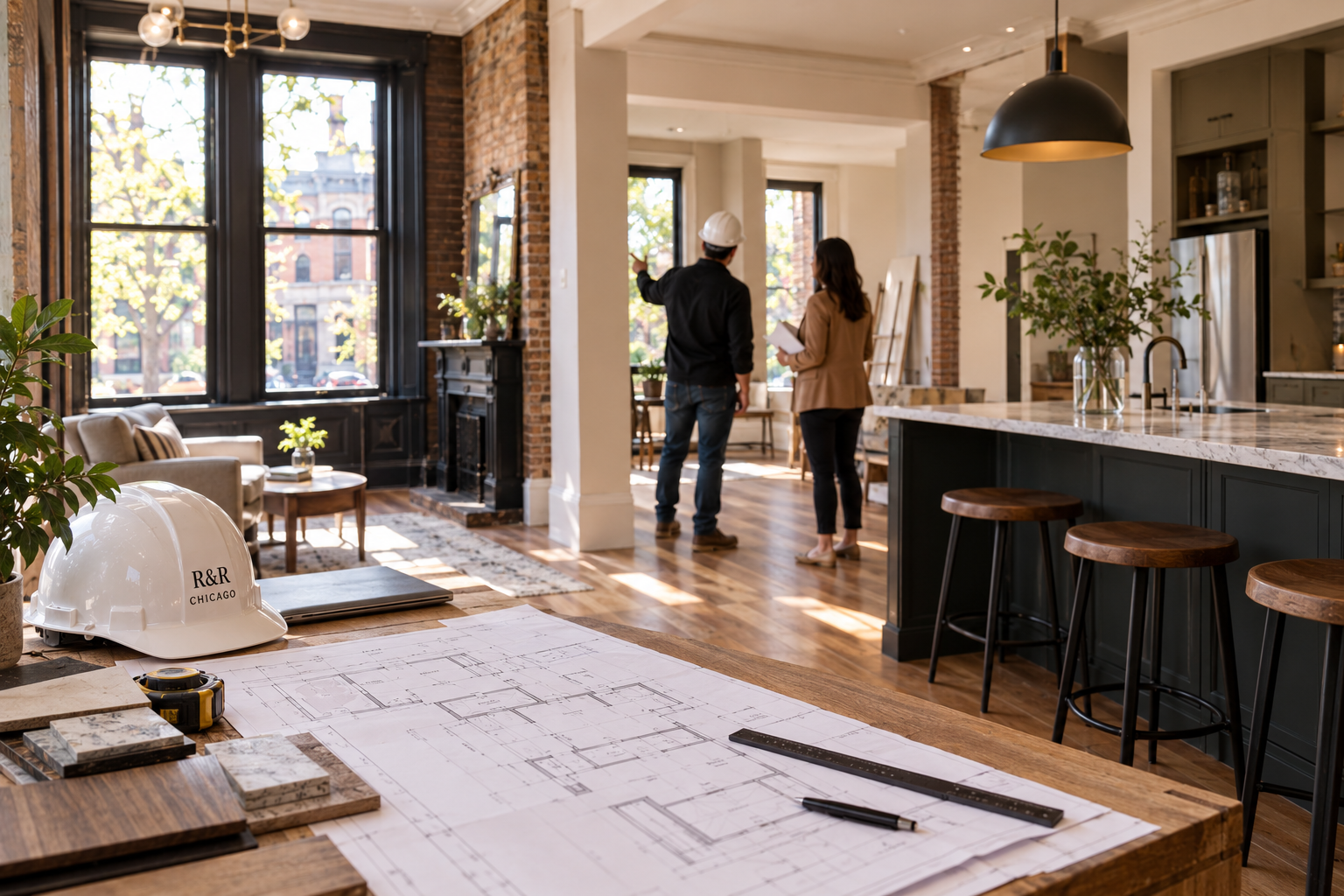
Design-build is a project delivery method where one company handles both the design and the construction, instead of you hiring an architect and a separate contractor. That single point of contact usually means fewer scheduling conflicts, faster decisions, and one team accountable for the finished result rather than two companies pointing fingers at each other when something goes wrong.
Why Logan Square Renovations Need a Local Eye
Older greystones and two-flats often hide surprises once walls come down, from outdated wiring to plumbing that was never meant to support a modern kitchen. A firm that regularly works in neighborhoods like Logan Square already knows what permits typically take longer, which blocks sit in historic or landmark districts, and how alley access affects material delivery and dumpster placement. That local knowledge saves time before a project even starts, not just during construction. It also shapes smaller decisions that add up, like how to sequence work around street parking restrictions during festival season or how to protect original woodwork that a newer contractor might not think twice about.
Questions to Ask Before Hiring a Design-Build Firm
Start by asking whether the firm is licensed and insured, and ask to see proof rather than taking their word for it. Find out whether design work happens in-house with their own architects and designers, or whether it gets outsourced to a third party you never meet. Ask how pricing works from the first estimate through change orders, since vague answers here are usually where budgets go sideways later. Ask, too, how the firm handles surprises once a wall comes open, since older buildings almost always reveal something unplanned and the answer tells you a lot about how the rest of the project will go. Finally, ask who your actual point of contact will be once construction starts, since a firm can be great at sales calls and still be hard to reach mid-project.
Red Flags to Watch For
A few warning signs tend to repeat across bad renovation experiences. Pricing that stays vague even after a site visit is one, since a firm that knows what it is doing can usually give a reasonably firm range early on. Pressure to sign quickly, or a large upfront deposit before any real scope is defined, is another. So is the absence of a written contract laying out timeline, payment schedule, and what happens if the project runs long. If a firm cannot produce recent local reviews or a portfolio of finished work, that gap is worth asking about directly rather than assuming it does not matter.
What Interior Design-Build in Logan Square Looks Like
Interior design-build in Logan Square often means very specific project types. A vintage two-flat kitchen gets opened up without disturbing load-bearing walls that are older and less documented than a newer build. A condo unit inside a converted greystone gets a bathroom redesigned around plumbing stacks that were not built with modern fixtures in mind. A small storefront along the Milwaukee Avenue corridor gets a retail buildout that has to satisfy both a landlord's requirements and the city's permitting process. Each of these calls for a team that can move between design decisions and construction realities without losing time in translation between separate companies.
Why R&R Chicago Design-Build Fits This Checklist
R&R Chicago Design-Build is a licensed and insured general contractor operating as a boutique design-build firm, which means the team stays small and hands-on rather than handing your project off between departments. Designers, architects, engineers, and tradesmen work together from the same firm, so design decisions and construction realities get resolved by the same people instead of bouncing between separate companies. The process is built around clear pricing from the start, so homeowners know what they are deciding on rather than guessing at what a change might cost later. Every project carries general liability insurance and warranties on completed work, which matters most exactly when something needs to be revisited after the fact. The firm works with homeowners, business owners, and property developers alike, which covers most of what interior design-build in Logan Square actually involves, from a single condo remodel to a small commercial space.
Frequently Asked Questions
What is the difference between a general contractor and a design-build firm?
A general contractor typically builds from plans someone else created. A design-build firm creates the plans and builds from them under one contract, which usually means fewer handoffs and fewer surprises between design intent and finished construction.
How long does a typical design-build project take in an older building?
Timelines vary by scope, but older buildings often add time upfront for permitting and unexpected conditions behind walls. A firm familiar with vintage Chicago construction can usually give a more realistic estimate than one that mostly works on newer builds.
Should I get multiple quotes before choosing a design-build firm?
Yes. Comparing at least two or three quotes helps you spot which pricing is realistic and which firm actually listened to what you asked for, rather than sending a generic estimate.
Does design-build cost more than hiring an architect and contractor separately?
Not necessarily. Combining design and construction under one firm often reduces costly miscommunication between separate parties, which can offset any difference in up-front fees.
What should I bring to a first consultation with a design-build firm?
Photos of the space, a rough idea of budget, and a list of must-haves versus nice-to-haves all help. The more specific you can be about how you actually use the space day to day, the more useful the first conversation tends to be.
Choosing among design-build firms near me usually comes down to trust built through clear answers, not just a polished website. Ask direct questions, watch for the red flags above, and look for a team that understands what makes a Logan Square renovation different from a project in a brand-new build. A firm that treats those differences seriously from the first conversation is usually the one worth hiring.
